
Access control and CCTV.
Access control, IP cameras, intercom and alarm integration. Role-based credentials, retention set to your policy, on your network standards.

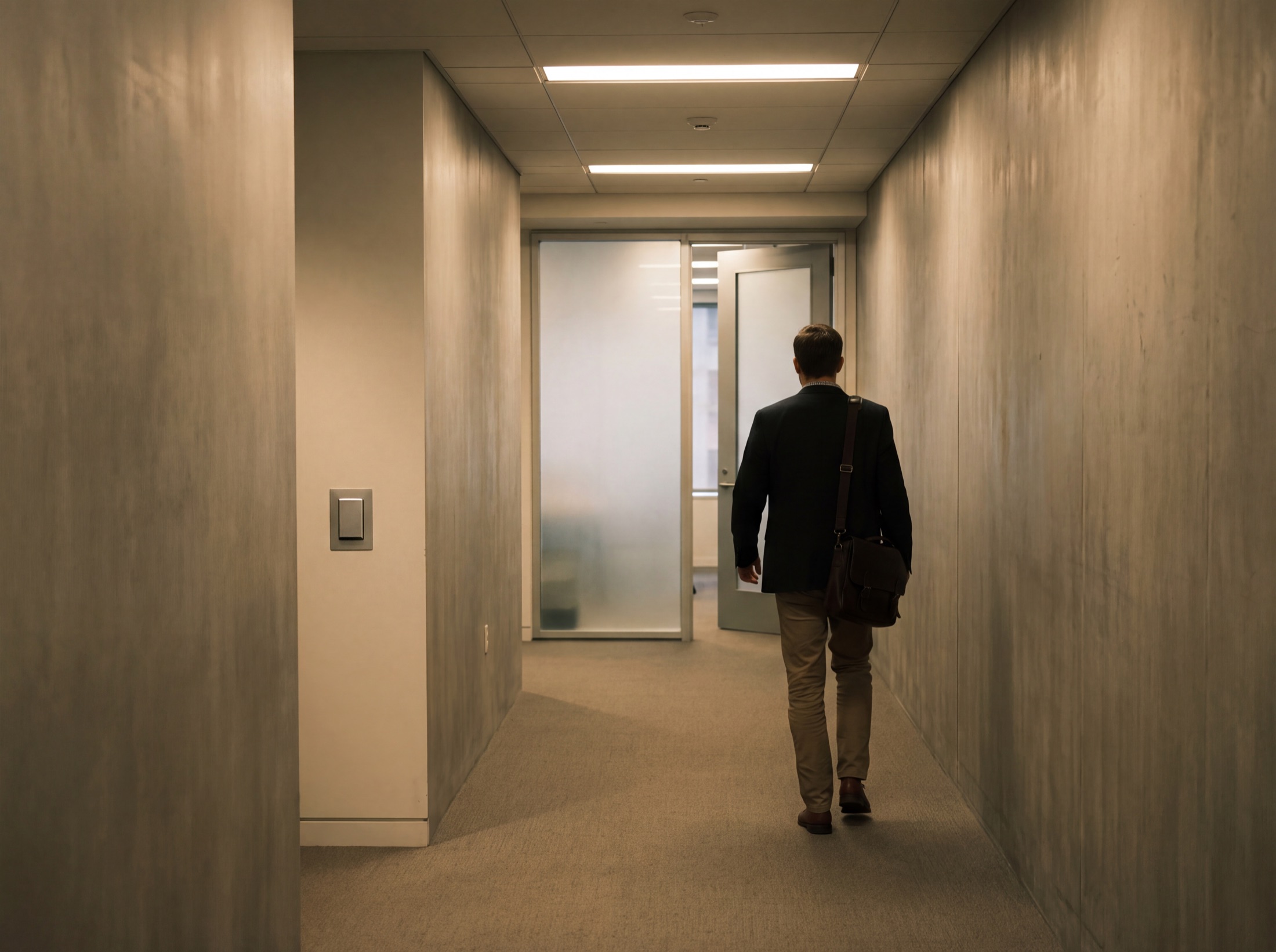
Access is an operations question
The right people move freely. The wrong ones simply don't.
Who can open which door, on which days, between which hours: in a working building that changes every week. A contractor arrives for a six week fit out. A tenant takes the floor above. Somebody leaves the company at short notice on a Friday afternoon. Handled with keys, each of those events is a locksmith visit and a set of unanswerable questions. Handled with credentials, they are administration.
- Credentials managed from a desk: issued when someone starts, scoped to the doors their job needs, revoked the day they leave with nothing to chase back.
- Schedules that follow the building: public hours at front of house, shift patterns behind it, the receiving dock open for the delivery window and locked outside it.
- Visitors and contractors handled properly: time limited access to the areas the work needs, expiring on its own instead of relying on someone remembering.
- An audit trail that answers questions: who went through which door and when, produced as a report rather than reconstructed from memory.
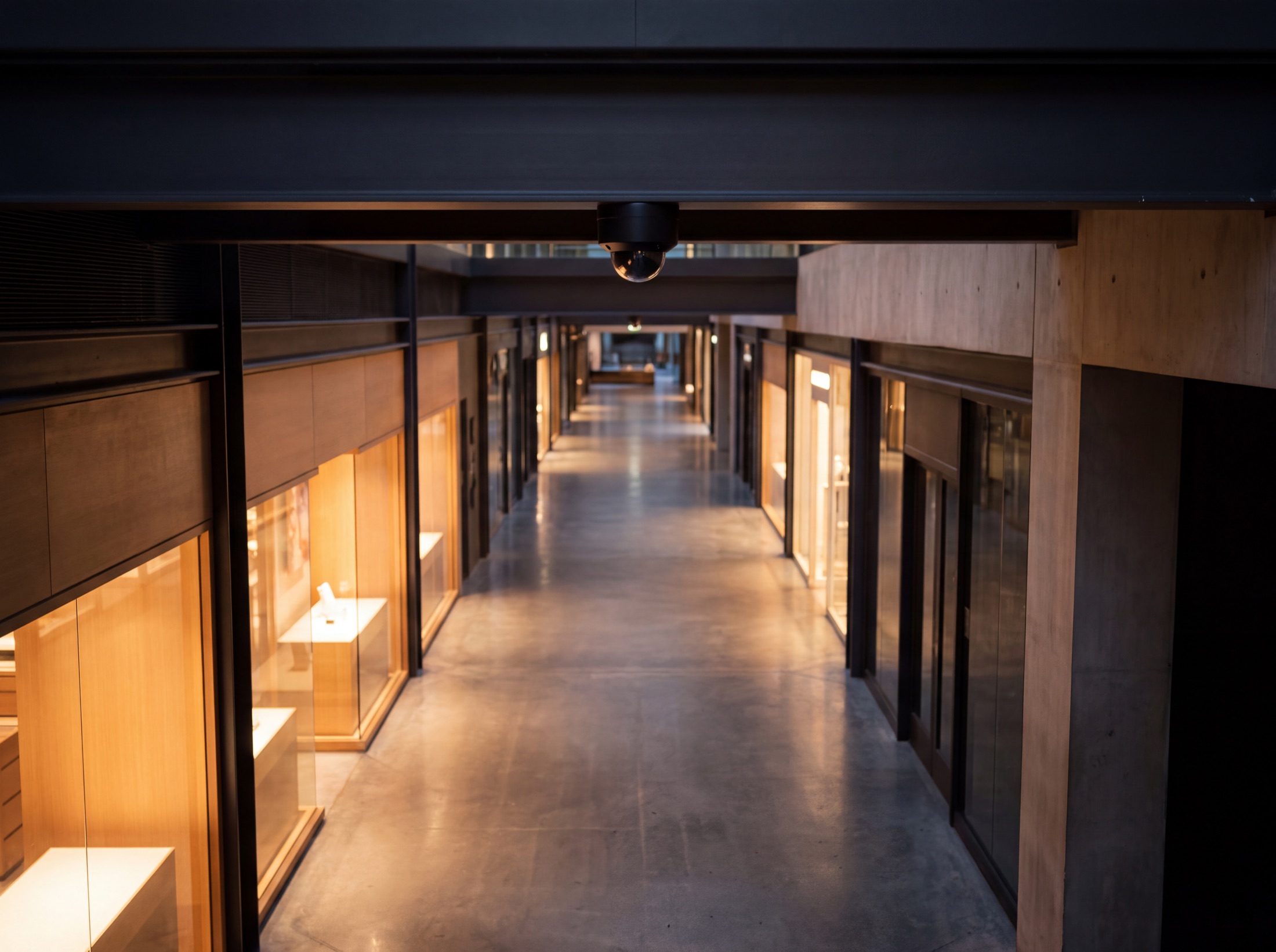
Coverage designed to real sightlines
Fewer cameras, placed where they command the approaches.
Camera count isn't coverage. Coverage is what each position actually sees, at the mounting height it actually gets, in the light the space actually has at the hour that matters. So the plan is drawn on the elevations before anything is mounted: entries and exits, reception, the receiving dock, cash handling points, parking approaches. Each position is chosen by sightline, not by wherever the conduit was easy, which is why fewer, better placed cameras outperform a ceiling full of them.
Recording follows the same logic. Retention is sized to your policy rather than to a factory default, cameras are time synced so footage from different positions agrees with itself, and when a question does need answering, the export is clean, dated and usable by whoever has to act on it. Recorded coverage exists to hold up when it matters. Footage that is grainy, mistimed or missing is just equipment.
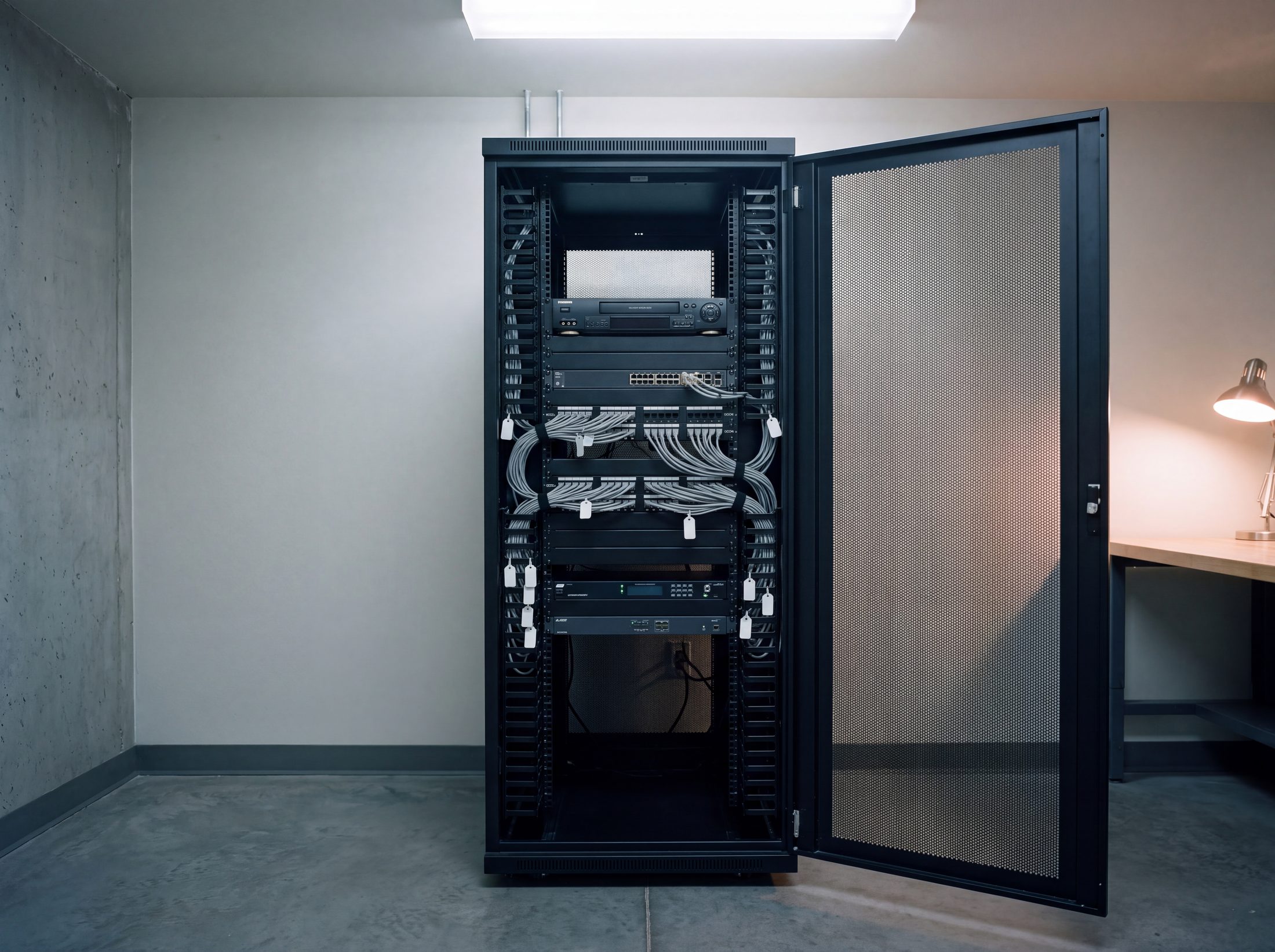
On the same standard as the rest of the building
Same network, same rack, same documentation standard.
Security equipment has a habit of arriving as its own island: a recorder in a ceiling void, an unmanaged switch behind it, default passwords, nothing on the drawings. It works until it doesn't, and then nobody knows whose it is.
In our buildings, cameras, door controllers and recorders are network devices like everything else we install. They ride certified, labeled cabling, sit on a documented network segment agreed with your IT team, live in the same rack as the rest of the building, and appear on the same as built drawings. Default credentials don't survive commissioning, firmware is a named responsibility, and one engineering team is accountable for the whole layer. A camera that drops is a known cable, a known port and a known device, not an afternoon of guesswork.
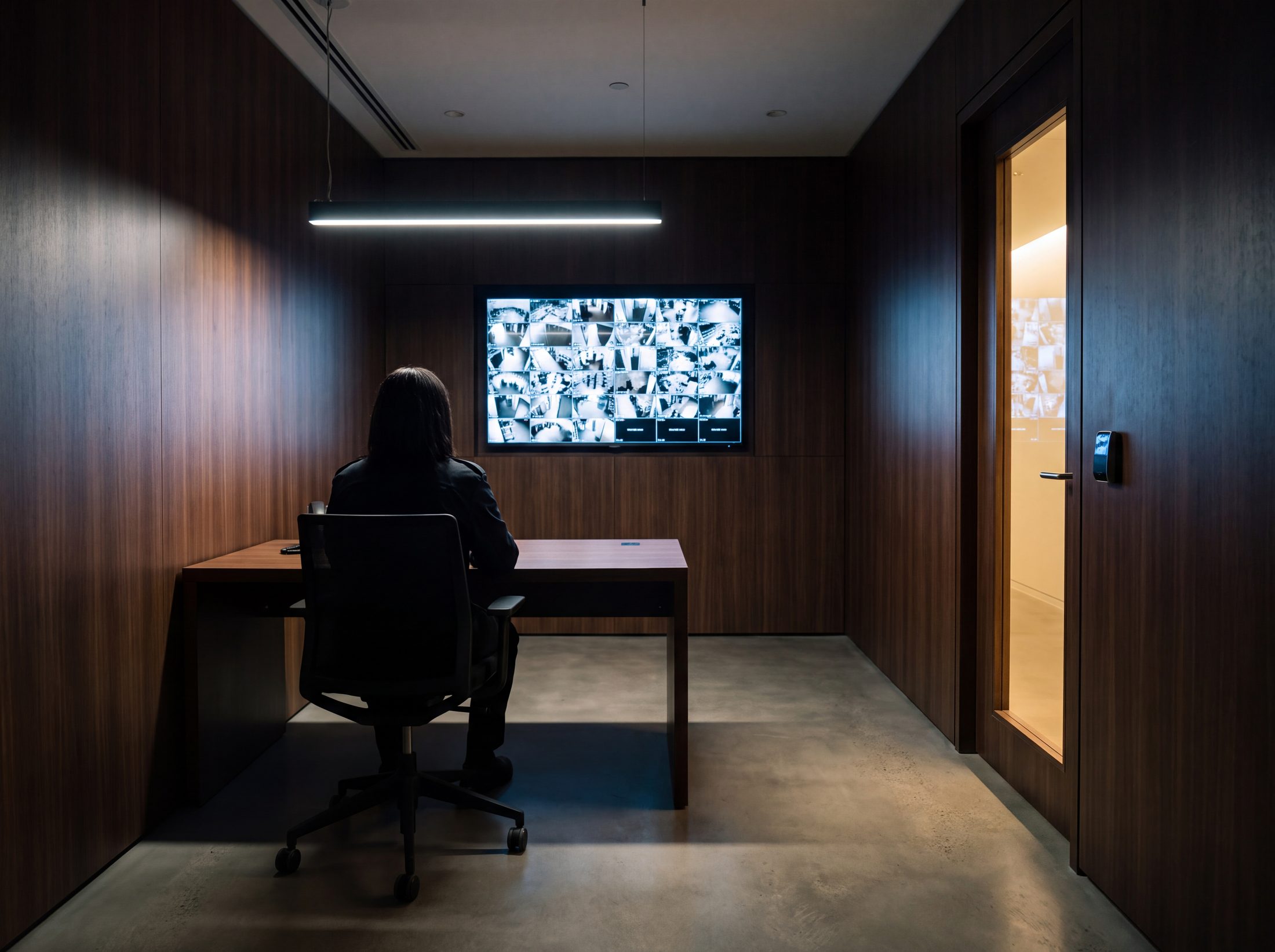
Your policies, your monitoring provider
Events verified, policies yours, one team accountable.
Most commercial clients arrive with a security posture already in place: an IT team with standards, an HR process for starters and leavers, a monitoring agreement that works. We engineer to it rather than around it. The monitoring contract stays yours, billed directly. Our job is to make sure the events that reach your provider are real, labeled and worth acting on. Access and retention policy stays your policy. Our job is a system that can actually enforce it.
Where the building runs on a control platform, security surfaces in the same control layer as everything else, whether that is Crestron, Lutron, Control4 or Savant, so the people who run the building manage one system instead of learning a second one.
What's in, what's out.
Included
- Access control design: readers, controllers, credentials and schedules
- A coverage plan drawn to sightlines on the elevations
- Supply, installation and aiming of cameras and readers
- Recording, retention to your policy and named, encrypted access
- Certified cabling, documented network segment and rack integration
- Commissioning, audit trail setup, training and handover documentation
06 items
Usually separate
- The central monitoring agreement, billed directly
- Doors, frames and electrified door hardware
- Security staffing and guard services
- Fire alarm and life safety systems
04 items
Better together
- Structured cabling and networks
- Control and automation
- Electrical services
- Care plans and monitoring
04 items
Asked before every security package.
Can we keep our existing monitoring provider?
Yes, and on most projects you should. The agreement stays yours and stays billed directly. We design the system so events reach your provider cleanly, commission it with them on the line, and hand over documentation that names what each event means and where it comes from.
Who manages credentials after handover?
Your team, after training that takes an afternoon rather than a course. Adding a starter, revoking a leaver and pulling an audit report are desk tasks, and the handover documentation walks through each one. If you would rather not hold it in house, credential administration can sit inside a care plan.
The building already has cameras and readers. Do we start over?
Not if the existing equipment earns its place. We assess what is installed: cabling that certifies stays, cameras that genuinely cover their sightline stay. What we won't do is hang a new system on equipment we can't document and then carry the blame for its behavior. Either way, you end up with one documented system.
How does this sit with our IT security policies?
Comfortably, because it is designed with your IT team rather than presented to them. Devices sit on a documented segment agreed at design stage, default passwords don't survive commissioning, and firmware stays a maintained, named responsibility instead of nobody's job.