
Licensed electrical contracting.
Nevada C-2 licensed electrical: panels, distribution, circuits and conduit. Installed by the same crew as the low voltage scope, on one drawing set.
Where projects lose their schedule
The schedule dies in the seams between trades.
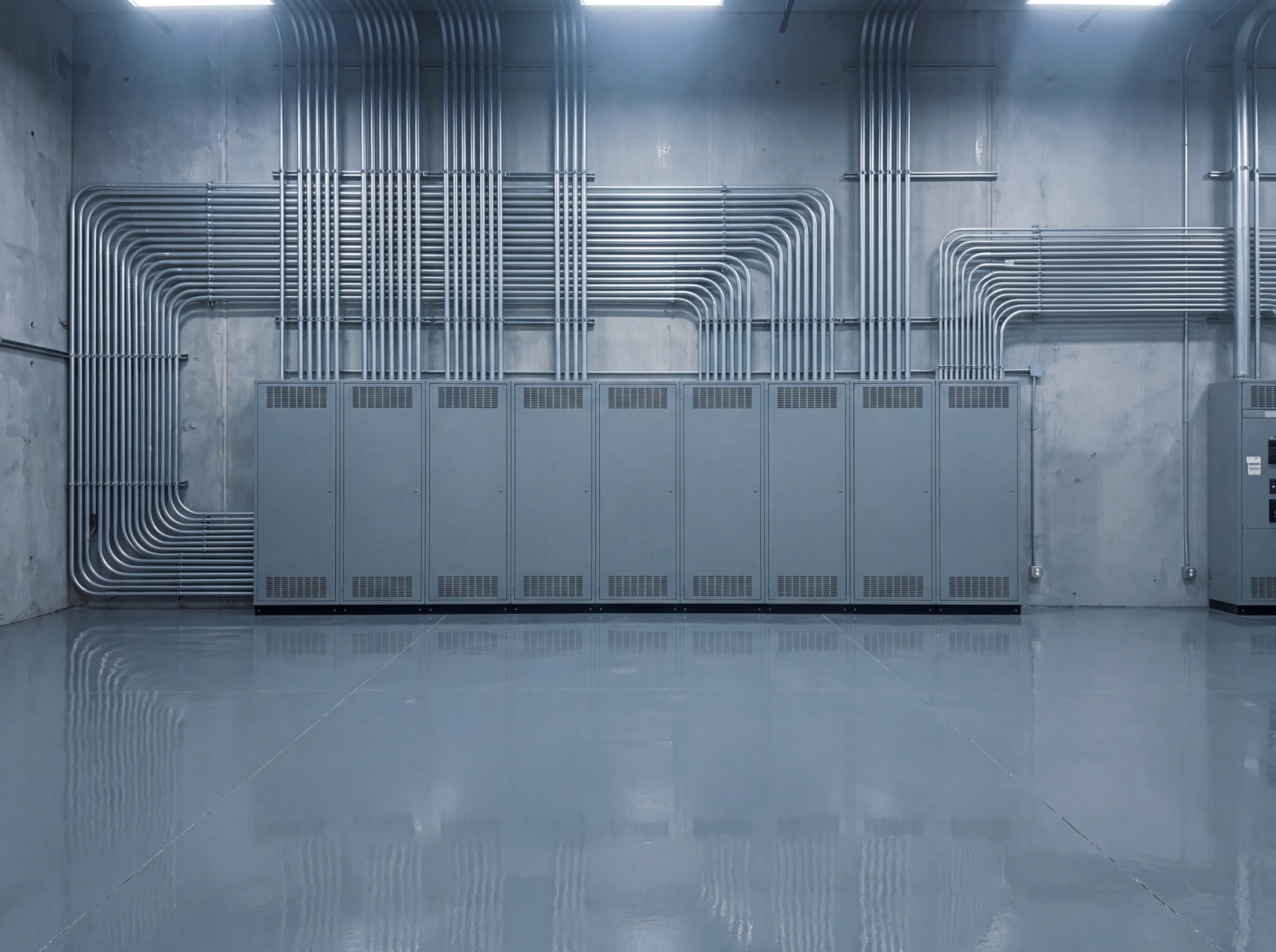
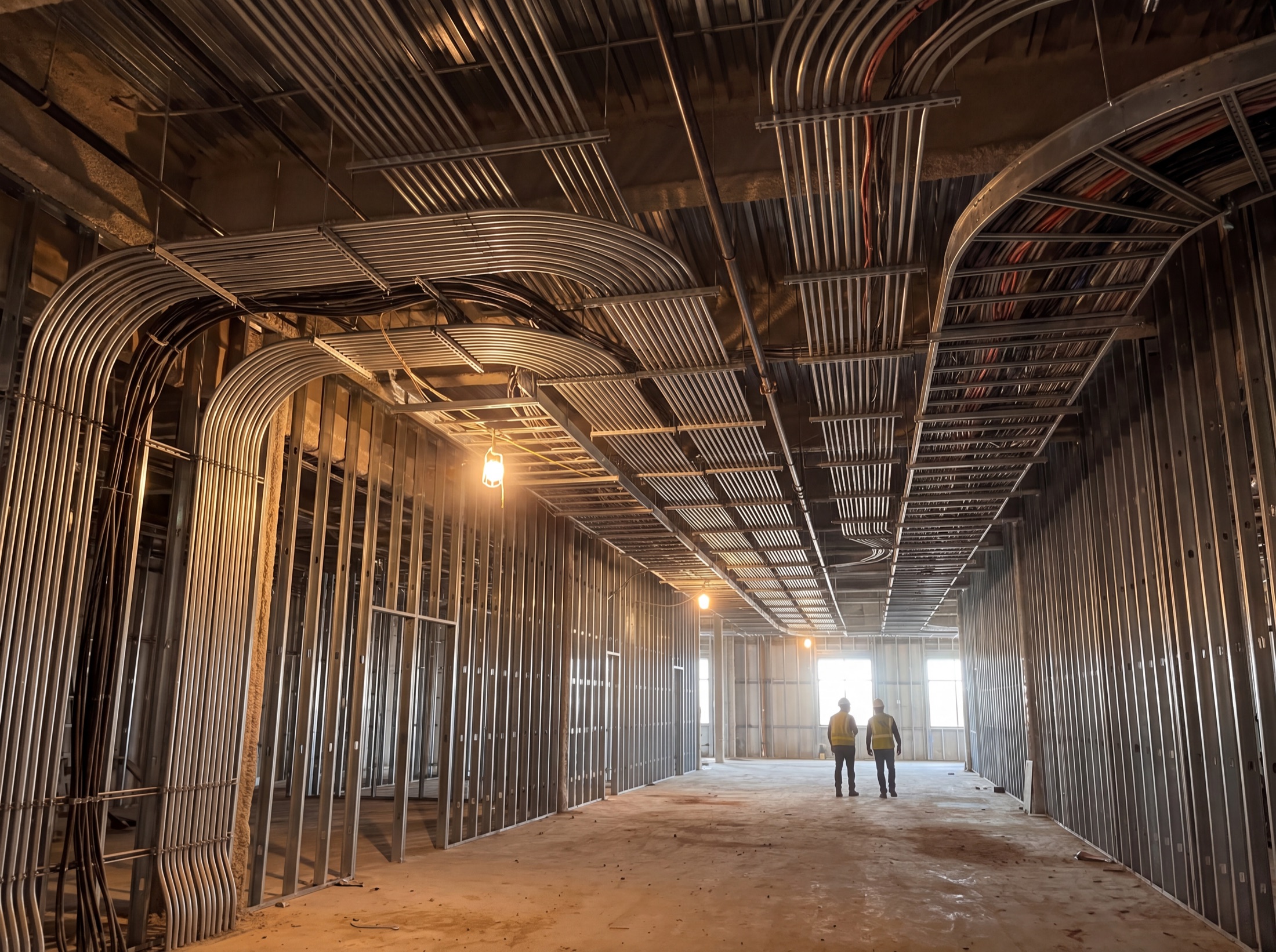
The most expensive line on a commercial technology project is usually invisible on the tender. It is the seam between the electrical package and everything that plugs into it: the receptacle that landed a stud bay away from the rack, the circuit that was never dedicated, the conduit that arrived after the ceiling closed.
Each one is small. Each one becomes an RFI, a change order and a week. And because the power scope and the technology scope were bid by different companies against different drawings, each one comes with a debate about who pays before anyone fixes anything.
How we deliver it
Power and low voltage, one team, one drawing set.
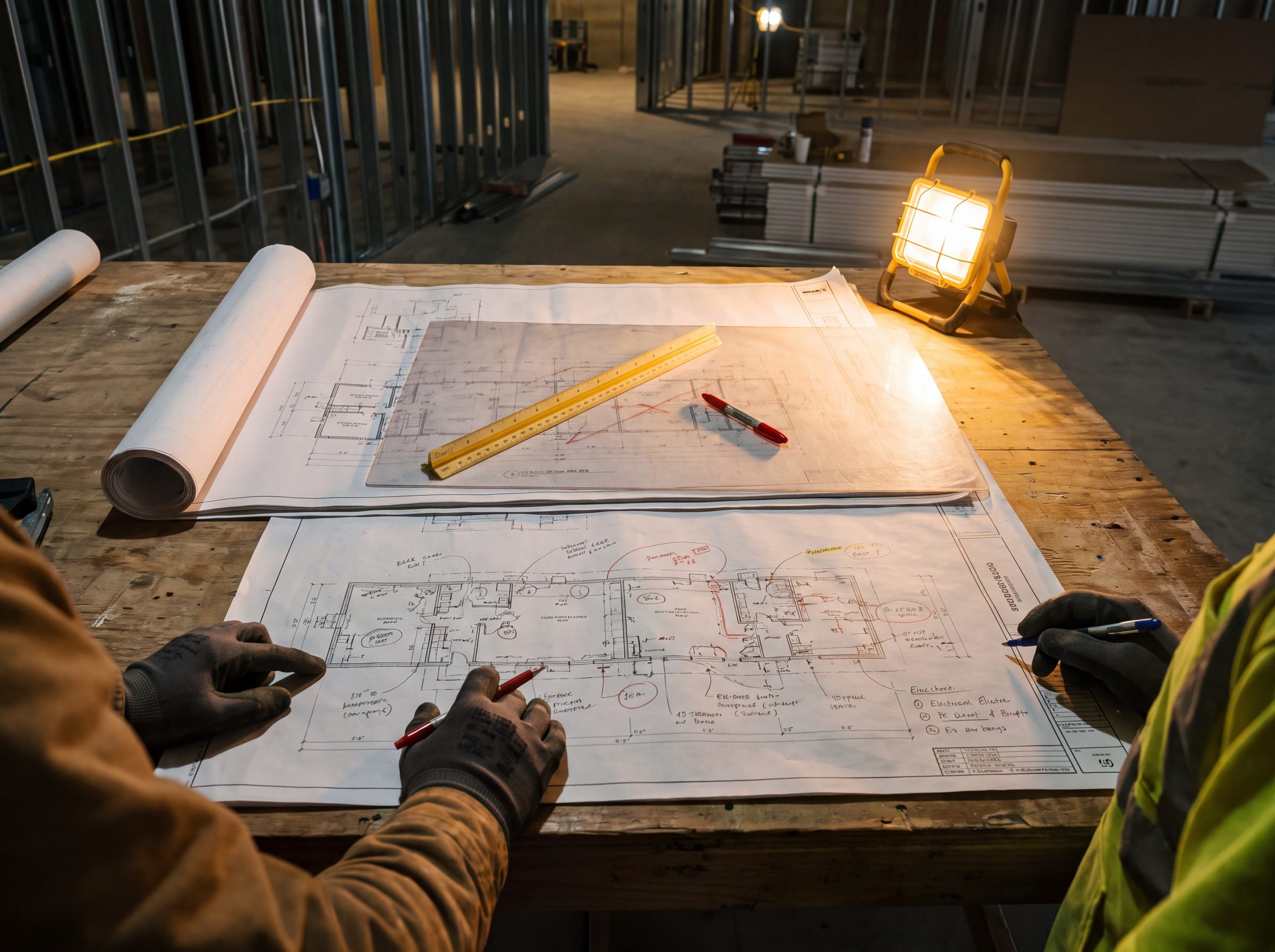
We hold the electrical scope and the low voltage scope in the same package, engineered by the same team against one coordinated drawing set. Power isn't something the technology waits for. It arrives in step.
- One drawing set covering power and data together, coordinated with the other trades before rough in rather than marked up after it.
- Dedicated and conditioned circuits for racks, head ends and displays, sized for the equipment schedule instead of guessed at.
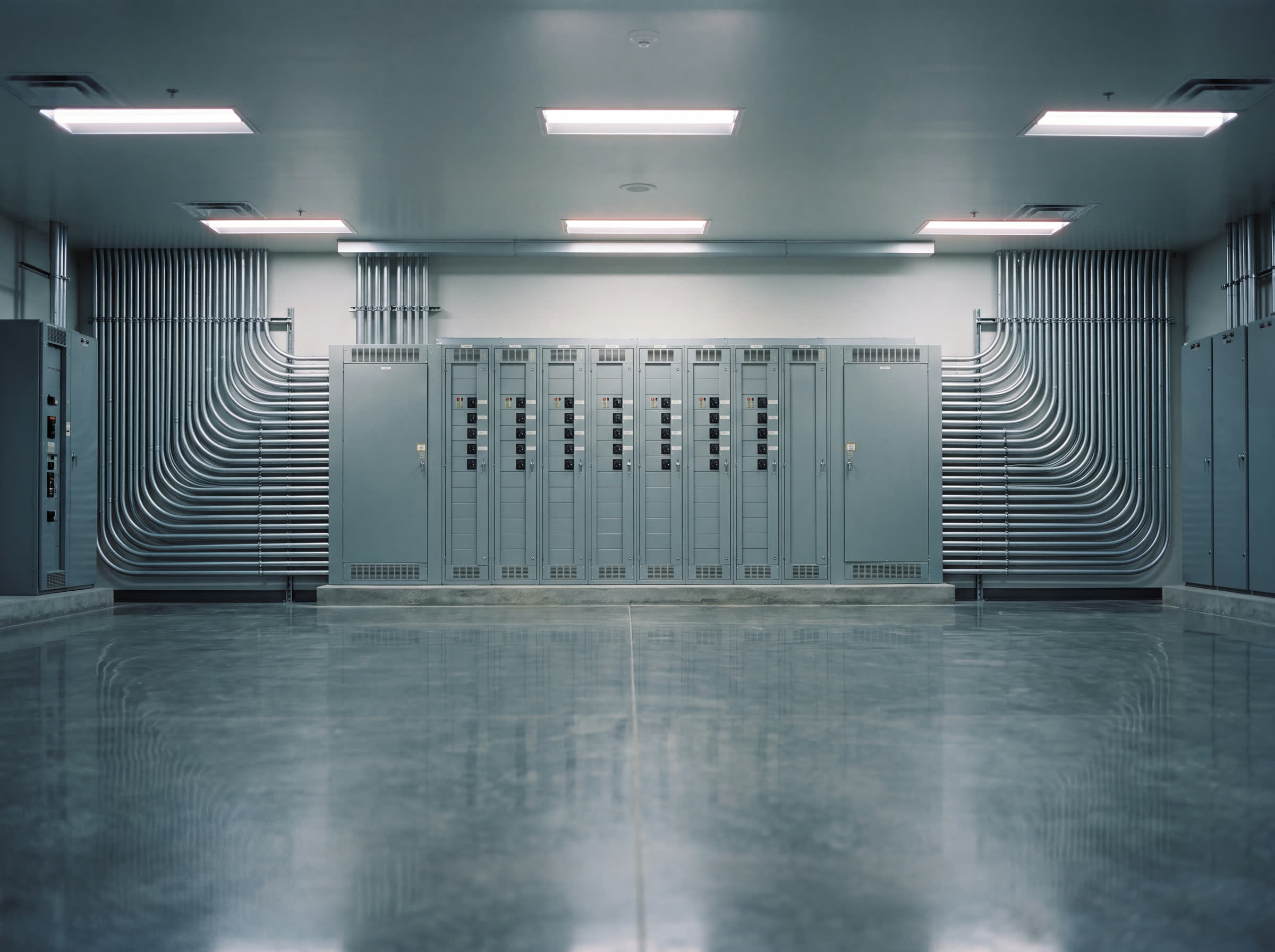
- Conduit and containment run parallel, squared and reamed, because the crew pulling the data is the crew that bent the pipe. Open any of our panels and the workmanship is the argument.
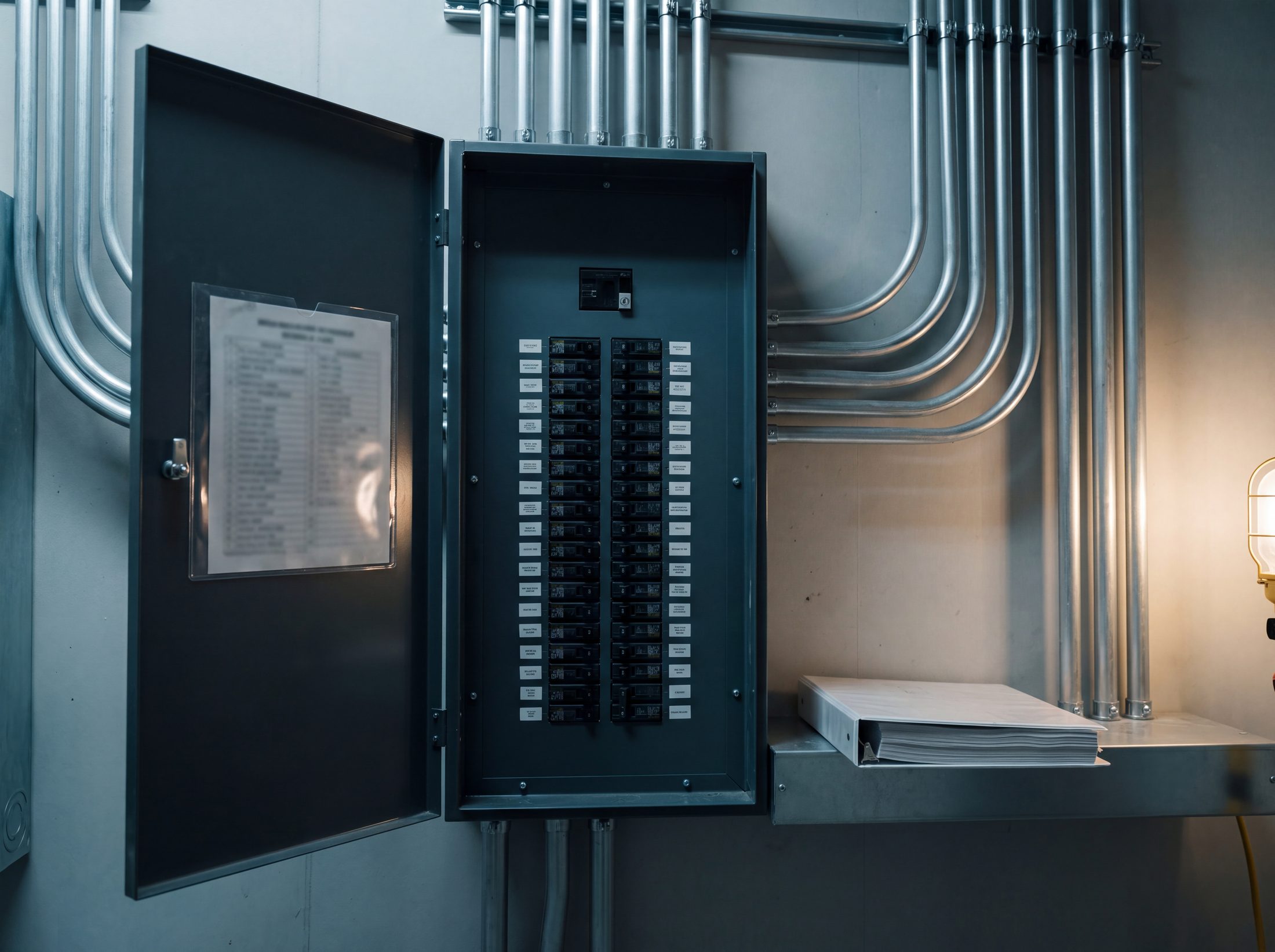
- Panel schedules that match reality. The breaker labeled for the rack is the breaker that feeds it, and the schedule in the door matches the as built drawings.
- Rough in sequenced with the build, so your other trades are never standing behind ours.
What you get at handover
As-builts, test results, a panel schedule that matches the wall.
An electrical package is finished when your facilities team can work on it without archaeology. The documentation is the deliverable, not a courtesy.
- Panel schedules and circuit directories that agree with the panels themselves.
- As built drawings reflecting what was installed, not what was drawn in month two.
- Breakers, receptacles and junction points labeled to match the drawings.
- Load information for the technology systems, so the next fit out starts from facts.
Working with an incumbent electrical contractor
Complement the incumbent, or carry the scope. Agreed early.
Not every project wants a new electrical contractor, and we don't need to be yours to be useful. Where the base building electrical is already let, we work alongside that contractor: they carry the branch circuiting and the labor, we hold the technology design, the coordination questions and the commissioning, and the seam gets managed instead of discovered.
Where we hold the whole package, the seam doesn't exist at all. Either way, one company is accountable for the systems working on the day the building opens.
What's in, what's out.
Included
- Electrical design and coordinated drawings
- Conduit, containment and rough in
- Branch circuiting and receptacles for the technology package
- Dedicated and conditioned power for racks and head ends
- Panel work, labeling and circuit directories
- As builts and handover documentation
06 items
Usually separate
- Utility service connections and metering
- Mechanical and plumbing trade packages
- Base building electrical already let to another contractor
03 items
Asked before every electrical package.
Why does CORVX hold an electrical license?
Because the failures we are hired to prevent live at the seam between power and everything that depends on it. The C-2 is Nevada's electrical contracting classification, and holding it means that scope is delivered under our own license and our own accountability rather than subcontracted into somebody else's schedule.
Can you work with the electrical contractor we already have?
Yes, and on many projects that is the right structure. They carry the branch circuiting and the labor, we hold the technology design and the commissioning, and the coordination questions get asked in writing before they become site problems. We have delivered from every seat at the table.
Does the electrical scope have to come with the technology package?
No, but the value is in the joint. Splitting power and data across two contracts moves the coordination risk back to you, and the schedule risk with it. When one team owns both, a receptacle in the wrong place is caught on a drawing instead of found behind a closed ceiling.
What does a clean electrical handover look like?
Panel schedules that agree with the panels, as builts that agree with the walls, and labeling your facilities team can read without calling us. A breaker trip at seven in the morning should be a two minute walk to the right panel, not a search party.