
How a CORVX project runs.
Paid discovery, drawings and schedules, fabrication and testing, then installation and documented handover. The same process on every project.
Designed. Tested. Installed. Delivered.
Discovery
- A paid working session on how you live or operate
- The behavior of the building, designed on paper
- A written brief that is yours to keep
- How discovery works
04 items
Design and fabrication
- Coordinated drawings in your revision cycle
- Racks built and tested at our facility, not your floor
- Every cable, port and address planned before site
03 items
Installation
- Rough-in on schedule with your trades
- Certified terminations, recorded per link
- Commissioning against the brief, not a memory
03 items
Handover and support
- Documentation any engineer can read
- Training that fits the people who use it
- Monitoring and care plans in writing
- Care plans
04 items
The building is finished off site.
The site just receives it.
Three things have to be true for a building to work on the day it opens, and they happen in that order. It is drawn and priced before anyone buys anything. It is built and proven off site, on our own bench, before any of it reaches your building. And afterward it is held there by the people who built it, under a care plan agreed in writing. Each one is worth less without the other two, which is why we sell all three as one contract.
Whether a system performs is decided long before anyone arrives on site. Racks are built, loaded, addressed and run under load at our facility until they prove themselves, so what ships to your project is a tested system rather than a delivery of parts. Drawings live in your revision cycle, so our rough-in never waits on a question nobody asked.
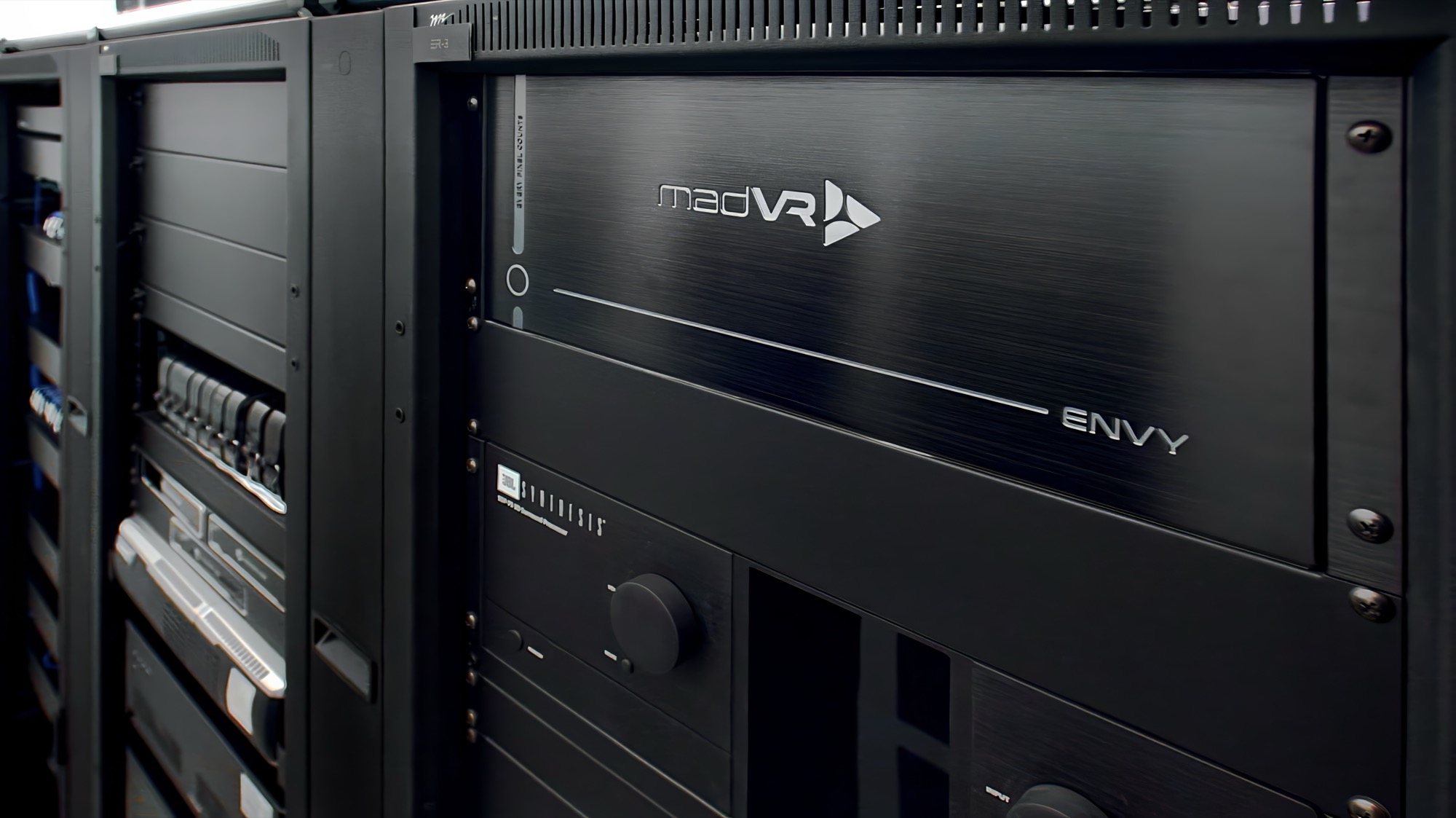

And when the last panel closes, the project doesn't end, it changes state. The documentation pack means any engineer can read the building. The monitoring means most faults are fixed before you feel them. One number reaches the people who built it, on response times that are written down, not implied.
Asked before most projects start.
Can you come in after the design is finished?
Often, and we do. The later we arrive, the more of the building's behavior has already been decided by drawings that were made without it, so the work becomes reconciling what was drawn with what has to happen. That is workable. It is simply more expensive than being in the room when the pathways were set.
How long do the four phases take?
Discovery is a single session. Design and fabrication run alongside your construction program rather than after it, which is the whole point of building off site. Installation is scheduled against your trades. You get the dates at discovery, taken from your program rather than from an average.
Who do we call once the building is handed over?
One number, reaching the people who built the building, with your documentation already in front of them. Response times are written into the care plan before you sign it, rather than discovered on the day you need them.