
The test for real integration.
Every integrator says the word "integrated". Almost none of them will agree to the test. Here it is: walk to any keypad in the building, press one button, and watch what happens.
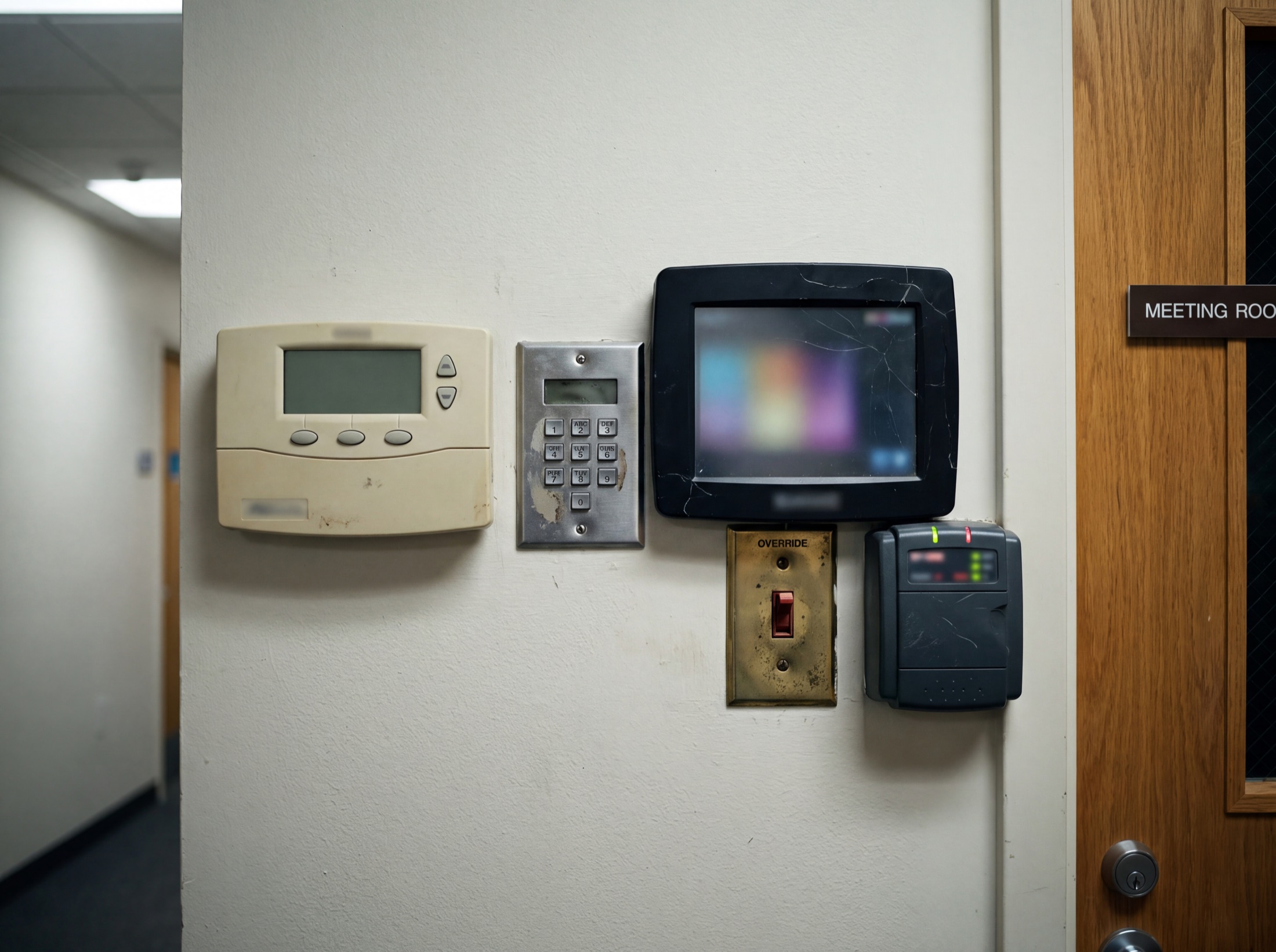
If the lights change but the shades need an app, that isn't integration. If the display rises but the room's temperature belongs to another company's thermostat and the audio belongs to a third remote, that isn't integration either. That is a collection of purchases, each working exactly as its manufacturer intended, none of them aware the others exist.
An integrated building behaves differently. One touch, and everything that should respond, responds: shading, lighting, video, audio, climate, in the right order, at the right pace, every time. The technology disappears into the behavior. Guests don't ask how it works. They just notice the room agreed with them.
Why device count is the wrong measure
Proposals in this industry are usually written as equipment lists, because equipment is easy to price and easy to compare. But nobody lives in an equipment list. The question that matters isn't how many devices a building holds. It is whether the building behaves as one system or as forty products.
That behavior can't be bolted on at the end. By the time a building is occupied, the decisions that make one-touch behavior possible, where the cabling runs, how the network is segmented, which system is the source of truth for a scene, have either been made deliberately or defaulted accidentally. Retrofitting intent into a finished building costs multiples of designing it in.
What it takes underneath
Real integration is an infrastructure decision first. One cabling plant, engineered and certified, carrying every system. One network, designed for the traffic the building will actually generate, segmented on purpose. One drawing set that the electrician, the AV crew and the shade installer all build from, so the systems meet each other on paper months before they meet in a wall.

Then it is a programming decision: one control philosophy, decided early, so every
keypad in the building speaks the same language. And finally it is a commissioning
decision: the beha

How to use the test
If you are hiring an integrator, ask them to show you a finished building and press one button. Ask who wrote the drawings, who certified the cabling, and who answers the phone when the behavior drifts a year later. If those are three companies, you already know how the story goes.
We built CORVX so the answer to all three is the same name.